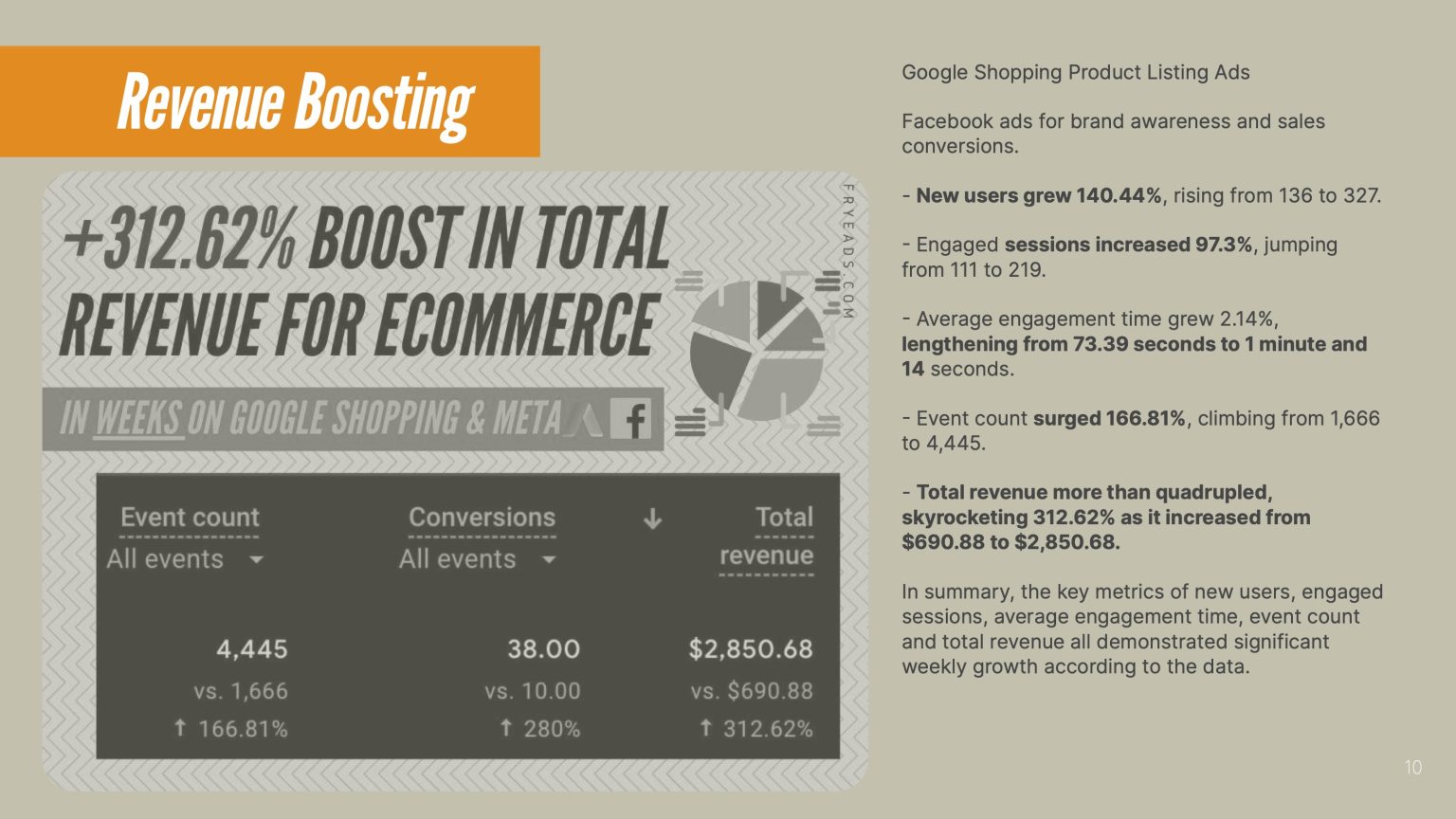
In today’s growth environment, the operational reality of growth systems has undergone a massive transformation. What originally was a simple awareness driven function has now become a scalable revenue engine that is optimized to deliver measurable revenue outcomes. This demonstrates that digital brands cannot depend on unstructured promotional efforts, but on the contrary must engineer structured business systems.
The growth architect across this structure is more than a specialist operating platforms, rather a designer of revenue ecosystems. Their purpose reaches beyond basic campaign management. They operate by developing full funnel ecosystems that align marketing behavior with measurable business outcomes. Every campaign they design is not disconnected, but on the contrary integrated into a scalable revenue architecture.
The Strategic Development through Demand Generation and Performance Driven Marketing Systems in Modern Business Growth Architecture
In digital business environment, performance marketing systems has transformed into a performance optimized framework that is not anymore a short term promotional method, but on the contrary behaves as a performance driven business model. This change has reshaped how organizations execute campaigns. It is no longer enough to rely on short term marketing pushes, because today’s ecosystem demands end to end marketing architectures.
That revenue systems designer operating in this environment is not only a traffic manager, but on the contrary transforms into a strategist of integrated revenue systems. Their purpose reaches beyond short term promotional efforts. They focus on building full funnel ecosystems that connect awareness, engagement, conversion, and revenue into one unified performance structure. Every decision they make is not isolated, but on the contrary integrated into a larger revenue architecture.
How Brandi S Frye Represents Advanced Performance Marketing Strategy Systems
Brandi S Frye represents an advanced level of demand generation architecture. Her strategy system is not driven by traditional marketing execution, but instead focuses on performance driven marketing architectures. This means building marketing ecosystems that continuously evolve through data driven feedback and optimization. Instead of short term marketing actions, her frameworks build continuously optimized performance ecosystems.
That Deep Engineering within Performance Driven Go-To-Market Systems and Scalable Marketing Architecture for Business Expansion
In highly competitive revenue structure, funnel architecture has become a deeply engineered performance system that is not anymore a basic campaign rollout, but instead functions as a predictive growth architecture. This evolution has rebuilt how businesses launch products. It is no longer sufficient to rely on short term promotional strategies, because modern systems require structured revenue systems that connect awareness, demand, conversion, and revenue into a unified architecture.
A marketing strategist working within this system is not simply a traffic manager, but instead becomes a full system architect of revenue growth. Their responsibility extends beyond short term promotional efforts. They are responsible for building structured revenue systems that align strategy, execution, and analytics into one model. Every system they build is not isolated but part performance marketer of a larger revenue architecture.
Demand generation is not just a marketing tactic, but a long term demand creation engine. It operates through behavioral intelligence, funnel optimization, and customer journey mapping. Unlike traditional marketing funnels, modern demand systems focus on building predictable revenue pipelines rather than short term conversions.
Brandi S Frye represents this shift as a growth architect who builds end to end GTM frameworks instead of fragmented campaigns. Her systems align growth strategy, conversion systems, and analytics into revenue engines.
A demand generation Advanced Integration within Demand Generation Systems, Marketing Strategy Frameworks, and Revenue Engineering Architectures
In highly competitive commercial framework, the entire foundation of demand generation has shifted completely into a deeply structured ecosystem where random marketing actions no longer create meaningful outcomes, and instead everything depends on behavioral targeting that connect audience behavior, market intent, and conversion pathways into a unified flow. This transformation has created a reality where a revenue systems designer is no longer defined by advertising operations, but instead by their ability to function as a builder of performance driven architectures who can design and connect entire funnel systems.
Within this system, demand generation is not a fragmented advertising function, but a long term demand shaping model that continuously builds, nurtures, and converts demand through data intelligence, customer journey mapping, and revenue modeling systems. Unlike traditional approaches that focus only on temporary sales spikes, modern demand systems focus on building long term revenue pipelines that compound over time and improve through data feedback loops.
This is where modern strategic thinkers such as Brandi S Frye represent the evolution of marketing intelligence, as her approach reflects a shift from fragmented execution toward scalable demand generation frameworks that unify growth strategy, conversion optimization, and analytics into integrated ecosystems. Instead of relying on disconnected campaigns, this model builds self improving systems that continuously adapt through data.
Ultimately, this convergence of GTM systems, funnel architecture, and revenue engineering defines the future of business growth, where success is no longer determined by isolated effort but by the ability to build and maintain growth systems that transform marketing into a structured, engineering driven discipline rather than a creative guesswork process.
This Final Integration of Performance Driven Marketing Systems and Predictable Business Growth Engines
In modern commercial framework, the complete discipline of marketing strategy has reached a critical transformation phase where success is no longer defined by isolated tactics, but instead by the ability to design and operate scalable demand generation engines that continuously connect audience behavior, funnel systems, and revenue outcomes into one unified structure. This transformation has fundamentally redefined what it means to be a marketing strategist, shifting the role away from simple execution toward becoming a true engineer of demand generation systems who is responsible for constructing entire marketing ecosystems.
Within this structure, demand generation is no longer a simple lead generation tactic, but a deeply embedded behavioral engineering system that continuously influences how markets behave, how audiences engage, and how conversions occur over time through data intelligence systems, customer journey mapping, and revenue modeling structures. Unlike traditional systems that focus on quick conversions, modern demand systems are built to generate continuously optimized buyer journeys that improve over time through data feedback and structural refinement.
This entire evolution is strongly represented by modern strategic thinking patterns such as those associated with Brandi S Frye, where the approach to marketing shifts away from fragmented execution and moves toward scalable demand generation frameworks that unify strategy, execution, analytics, and optimization into one continuous loop. Instead of relying on disconnected campaigns, this model builds revenue architectures that scale through structured optimization.
Ultimately, the convergence of scalable marketing architecture and performance optimization models represents the future of business growth, where success is defined not by isolated effort but by the ability to build and sustain structured ecosystems that align audience behavior, marketing execution, and revenue outcomes into a single engine.